
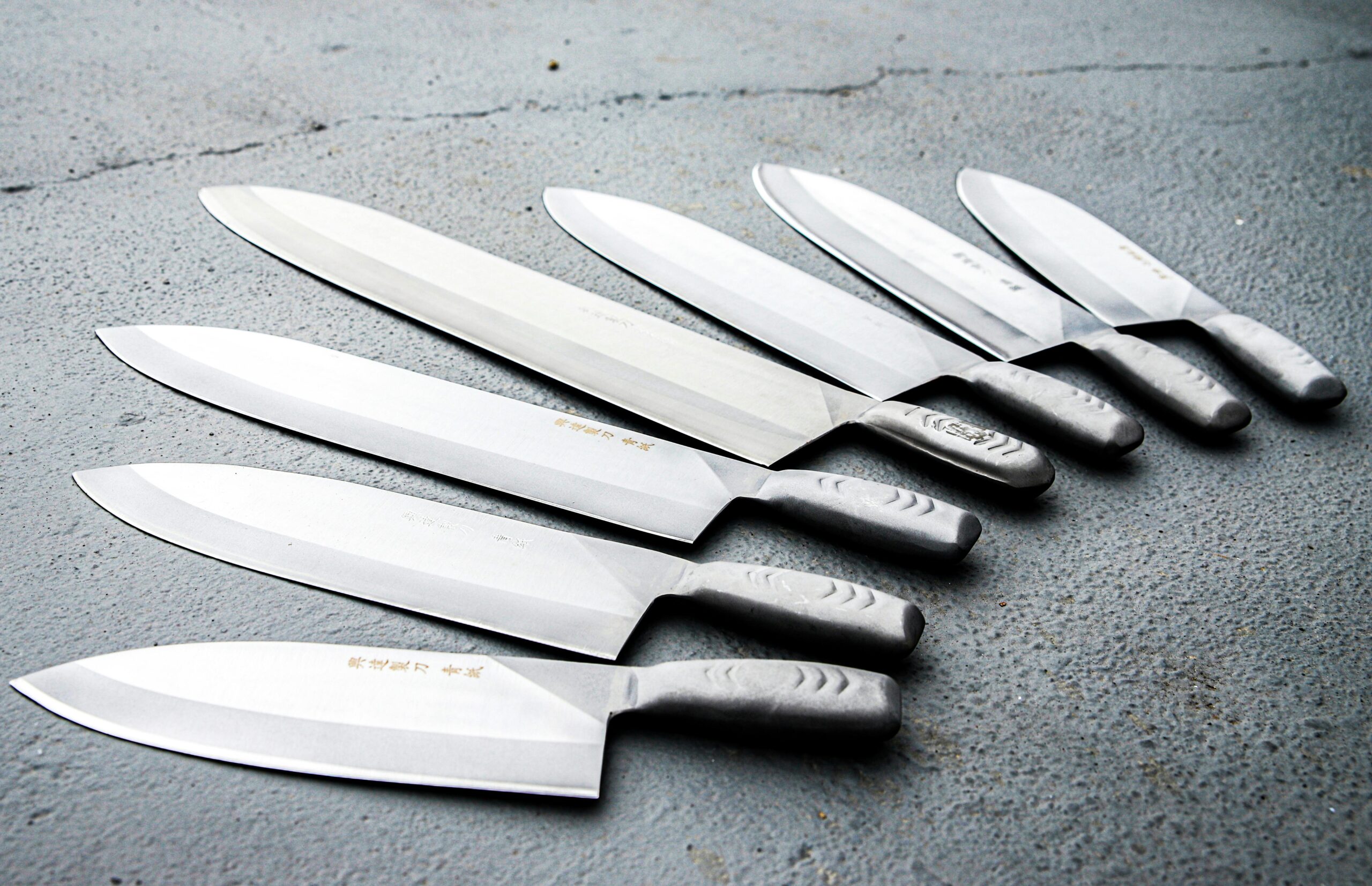
The Best Japanese Knives for Beginners (2026 Buyer’s Guide)
As an Amazon Associate, we earn from qualifying purchases. Our recommendations are independent and based on research, not sponsorships.
Buying your first Japanese knife should feel exciting, not overwhelming. But search “best Japanese knife” and you’ll drown in lists of fifty blades, half of them $300 specialist tools no beginner needs. This guide does the opposite: a short, honest shortlist of knives that are genuinely good for someone starting out — knives that are sharp, forgiving, easy to maintain, and made by makers with a real track record.
We don’t sell knives, so we have no stake in steering you toward any particular brand. Every pick below is here because it’s a sensible first knife, not because someone paid for placement. If you’re brand new to all this, our guide to what makes Japanese knives different explains the steel and geometry behind these recommendations.
What Makes a Good Beginner Knife?
Before the picks, here’s the short version of what actually matters for a first knife — so you can judge any blade, not just the ones below.
- Stainless steel (VG-10 is the benchmark). Forgiving, rust-resistant, sharpens easily. Skip carbon steel until you’ve caught the bug.
- An established maker. Brands like Tojiro and MAC have decades of consistent quality. Avoid generic “Japanese-style” blades with no named steel or maker.
- A versatile shape. A gyuto or santoku covers ~90% of kitchen tasks. You don’t need a set.
- A sensible price. A genuinely good first knife sits roughly in the $80–$200 range. Below that, quality drops fast; far above it is over-investment for a beginner.
Not sure which shape suits you? Our gyuto vs santoku guide breaks down the choice in detail. The short version: gyuto for versatility, santoku for compact control.
Our Top Picks at a Glance
| Knife | Best For | Type | Steel |
|---|---|---|---|
| Tojiro DP Gyuto | Best value / first knife | Gyuto | VG-10 |
| MAC Professional MTH-80 | Best “buy once” | Gyuto | High-carbon alloy |
| Tojiro DP Santoku | Best for compact kitchens | Santoku | VG-10 |
| King 1000/6000 Whetstone | Essential companion | — | — |
1. Best Value & Best First Knife: Tojiro DP Gyuto
If we could hand one knife to every beginner, it would be this. The Tojiro DP Gyuto has earned an almost cult-like reputation as the gateway into Japanese knives — and it deserves it.
Made in Tsubame-Sanjō, Niigata, Tojiro has been producing professional-grade blades since 1955. The DP line pairs a genuine VG-10 core (around 60 HRC) with stainless cladding, giving you a properly sharp, edge-holding blade that still forgives the occasional mistake. The build is honest — no flashy gimmicks, just good steel and solid construction at a modest price.
It comes in several lengths; the 180mm version is especially manageable if you’re nervous about handling a larger blade, while the 210mm is the classic all-rounder.
Best for: almost any beginner who wants one versatile, do-everything knife without overspending.
2. Best “Buy Once” Knife: MAC Professional MTH-80
If you’d rather buy a single knife and never think about upgrading, the MAC Professional MTH-80 is the one cooks quietly recommend to each other. This 8-inch gyuto, handcrafted in Seki, Japan, has a thin, razor-keen blade with dimples (“hollow edge”) that help food release cleanly — handy with sticky things like potatoes and apples.
It costs more than the Tojiro, but it’s the kind of knife that earns its place on the board for years. The blade is light, beautifully balanced, and holds an edge impressively well.
Best for: beginners who cook often and want to invest once in a knife that’ll grow with their skills.
3. Best for Compact Kitchens: Tojiro DP Santoku
Prefer something shorter, lighter, and built for straight up-and-down chopping? The Tojiro DP Santoku brings the same trusted VG-10 core in a compact, controllable package. The flatter profile excels at vegetable prep, and the shorter length is friendlier in small kitchens and for smaller hands.
This version has a decorative Damascus pattern, which looks lovely — but remember, the pattern is purely cosmetic. It’s the VG-10 core that actually does the cutting, the same steel as the plainer DP gyuto.
Best for: cooks who work mostly with vegetables, have limited counter space, or simply prefer a smaller blade.
4. The Essential Companion: King 1000/6000 Whetstone
A great knife stays great only if you keep it sharp — and Japanese knives should never go near a pull-through or electric sharpener (they chip the thin, hard edge). The King 1000/6000 combination whetstone is the classic, affordable starting point: the 1000-grit side sharpens, the 6000-grit side polishes.
It’s inexpensive, beginner-friendly, and will keep any of the knives above performing for years. If you’ve never sharpened freehand before, our step-by-step guide to sharpening a Japanese knife walks you through it.
Best for: everyone. Consider it part of the cost of owning a good knife.
How to Choose Between Them
Still deciding? Here’s the simple logic:
- Want one versatile knife on a budget? → Tojiro DP Gyuto.
- Want to invest once and be done? → MAC Professional MTH-80.
- Cook mostly veg, or have a small kitchen? → Tojiro DP Santoku.
- Bought any of the above? → Add the King whetstone. Non-negotiable.
There’s no wrong answer here. Any of these knives will deliver that first “wow, this is what sharp feels like” moment — the one that turns people into Japanese knife enthusiasts for life.
A Few Honest Caveats
Prices on Amazon shift over time, so check the current price before buying — a knife that’s $120 today might be $140 next month, or on sale for less. Stock can also come and go, especially for specific lengths and finishes. And remember that the “best” knife is ultimately the one that matches your hand and your cooking, not the one with the highest spec sheet.
Conclusion
You don’t need a fifty-knife shortlist or a $300 budget to start cooking with a great Japanese knife. A Tojiro DP gyuto or santoku in forgiving VG-10, a MAC if you want to splurge once, and a King whetstone to keep it sharp — that’s a complete, beginner-proof setup that will serve you for years.
Pick the one that fits how you cook, treat it with a little care, and enjoy the difference. For more background, see our guides on what makes Japanese knives different, gyuto vs santoku, and how to sharpen your knife.
Frequently Asked Questions
What is the best Japanese knife for a beginner? For most beginners, the Tojiro DP Gyuto offers the best balance of quality, versatility, and price. It uses genuine VG-10 steel, comes from an established maker, and is forgiving enough for someone still learning technique and maintenance.
How much should I spend on my first Japanese knife? Roughly $80–$200. Below that, quality drops off quickly; well above it is more than a beginner needs. A single good knife in that range beats a cheap multi-piece set.
Gyuto or santoku for a beginner? Both are excellent. A santoku is slightly easier to control (shorter, rounded tip); a gyuto is more versatile. Choose santoku if you cook mostly vegetables, gyuto if you want one do-everything blade.
Do I really need a whetstone too? Yes. Japanese knives can’t be sharpened safely with pull-through or electric sharpeners. A simple 1000/6000 combination stone is inexpensive and keeps your knife performing for years.
Are these knives good for left-handed cooks? Yes. All the knives recommended here are double-bevel (sharpened on both sides), which works equally well for left- and right-handed users.
One Comment